Field Notes from Brazil — Volume 3
Lucas Albuquerque Gouveia de Lima is Bytecenture's Brazil-based payment UX researcher. This is the third in a series of Field Notes from our in-market researchers across ten countries.
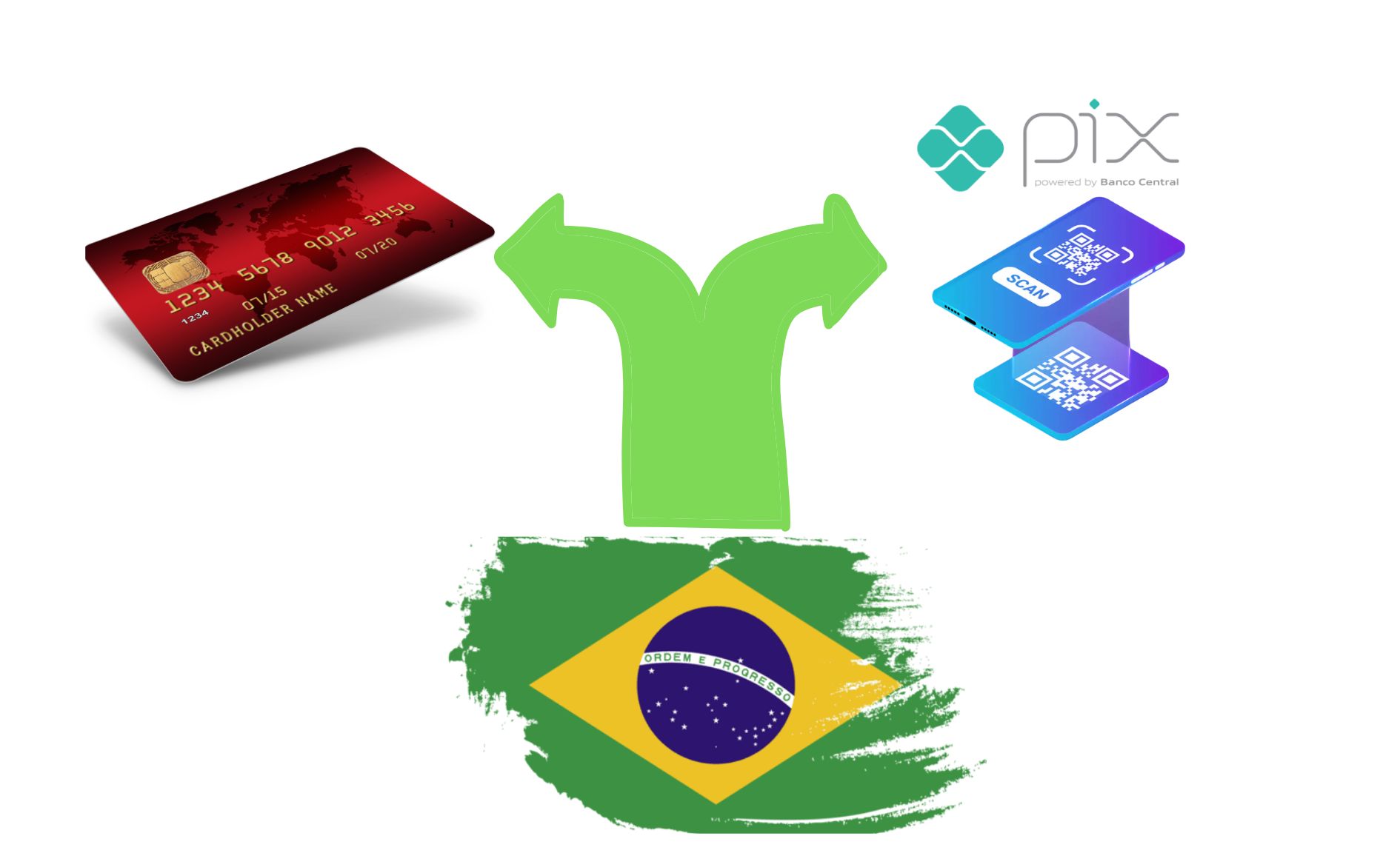
For years, the subscription economy in Brazil was built on a compromise: you either secured a customer who had a credit card, or you accepted the high-friction, high-churn reality of boletos and manual bank transfers. It was a binary world that excluded millions and introduced "involuntary churn" — the moment a subscription fails not because the user wants to cancel, but because a card expired or a manual payment notification was missed. The arrival of Pix Automático is changing that, and early merchant evidence suggests this is not just an incremental improvement — it is the next structural shift in Brazilian e-commerce.
The shift from "manual" to "native"
In Volume 2 of these Field Notes, I discussed how the traditional Pix Copy-and-Paste flow was a brilliant solution for 2020, but a failing one for the high-frequency habits of 2026. Pix Automático solves the "chore" aspect of recurring payments by moving the authorisation from a per-transaction requirement to a single, one-time approval.
Early merchant and field evidence suggests the impact is material, even though public Pix Automático benchmarks are still developing.
- Transaction volume. Early Pix Automático adoption indicates rapid growth from a small base as recurring-payment use cases move from manual payment flows into native bank authorisation.
- Retention. Repeat usage appears strongest where the payment relationship becomes habitual rather than transactional: subscriptions, memberships, utilities, schools, gyms, and other recurring services.
- Conversion. In Bytecenture-observed merchant cases, Pix Automático has performed especially strongly for users who already rely on Pix but do not behave like conventional card subscribers.
Why this matters for UX
The "silent abandonment" I wrote about in Volume 2 — where a user leaves the payment flow and simply doesn't return — is a massive driver of funnel loss in manual Pix flows. Pix Automático eliminates this by design. Because the authorisation is native to the banking environment, the user avoids the break-in-context that occurs when they are forced to leave a merchant's app, open a banking app, and manually paste a code.
For retailers, the operational benefits are twofold:
- Access to the "cardless" demographic. Pix reaches users beyond Brazil’s traditional credit-card base. Pix Automático bridges this gap, allowing these consumers to participate in the subscription economy without the traditional barrier to entry.
- Churn reduction. For recurring-billing operators, the practical benefit is fewer avoidable payment failures. Because the rail is tied to the customer’s bank account rather than a card that can expire, be replaced, or be blocked, Pix Automático reduces one of the classic drivers of involuntary churn.
The operational challenge: choosing the right "surface"
While early adoption signals are encouraging, the integration challenge remains. As I discussed in Volume 1 of these Field Notes, the bank-selection moment is a UX bottleneck. Platforms shipping Pix Automático need to move beyond simple "Pix" buttons.
The most effective strategy for the next eighteen months will be to use Open Finance protocols, where consent and data availability allow, to reduce the bank-selection burden and guide users toward the right authorisation surface.
What is still open
A few questions are worth flagging before treating Pix Automático as a settled part of Brazil’s payment landscape.
First, the bank-selection moment is unresolved. Open Finance could allow platforms to identify where a user holds active Pix keys and pre-select the right institution, reducing friction at authorisation. But that flow sits close to sensitive consent and data-sharing questions. Whether it becomes the default pattern or draws a tighter regulatory response from Banco Central will shape integration decisions through 2027.
Second, adoption among cardless users is not guaranteed. Brazilians without credit card access are not one segment, and comfort with one-off Pix payments does not automatically translate into comfort with recurring account pulls. Early adoption will likely skew toward digitally confident urban users before it reaches the broader cardless population.
Third, Pix Automático may pressure Brazil’s installment and BNPL ecosystem. A recurring rail that pulls directly from bank balances does not just add another payment option; it may bypass parts of the consumer-credit layer for certain subscriptions. Which providers get squeezed, and how they respond, remains open.
Final thoughts: where to look next
If your analytics team is still looking at decline rates and fraud as the primary health metrics for your Brazilian operations, you are optimising the wrong surface.
The competitive metric to watch through 2027 is subscription start rate versus payment method. Platforms that are failing to convert users at the checkout should look specifically at the percentage of users who have active Pix keys but do not have a registered credit card — a gap that Pix Automático is currently filling for early adopters.
The "secret" to high conversion in Brazil is no longer just accepting Pix; it is making the recurring payment invisible. The platforms that instrument their funnel to measure the drop-off before that first authorisation occurs will be the ones that own the subscription market in Brazil over the next two years.
References and Sources
- Banco Central do Brasil. Pix Automático. bcb.gov.br — Official Banco Central page for Pix Automático; source for the recurring-payment model, prior authorisation logic, and use cases such as subscriptions, utilities, schools, gyms, and financial services.
- Banco Central do Brasil. Estatísticas do Pix. bcb.gov.br — Official Pix statistics dashboard; source for overall Pix adoption, transaction volume, registered users, and Pix-key growth.
- Associated Press. Brazil’s beloved instant payment system faces scrutiny from the Trump administration. apnews.com — Source for Pix’s national scale, including reported usage by 178 million Brazilians and roughly USD 7 trillion moved through the system in the prior year.
- Le Monde. In Brazil, the free and instant mobile payment system Pix challenges US dominance. lemonde.fr — Source for Pix’s April 2025 transaction scale, its role in financial inclusion, and its challenge to card- and cash-led payment habits.
- Open Finance Brasil. Open Finance Brasil official consumer and ecosystem portal. openfinancebrasil.org.br — Source for the user-consent, data-sharing, and institution-participation framework behind Brazil’s Open Finance ecosystem.
- Financial Times. Brazil rallies to defend much-loved payment system from Donald Trump’s attack. ft.com — Source for Pix’s broad population reach, merchant cost advantage, and political/economic significance as an alternative to card networks.
- Bytecenture field research / Lucas Albuquerque Gouveia de Lima. Brazil payment UX observations, 2026. Internal research note — Source for Bytecenture’s qualitative interpretation of the UX failure mode: manual Pix flows creating break-in-context, silent abandonment, and recurring-payment fatigue.