Field Notes from Brazil — Volume 5
Lucas Albuquerque Gouveia de Lima is Bytecenture's Brazil-based payment UX researcher. This is the fifth in a series of Field Notes from our in-market researchers across ten countries.
While Pix captures the headlines, Brazil's card and credit ecosystem is not fading into the background. It is becoming more strategic.
According to Abecs, Brazil's card market processed R$4.5 trillion in 2025, up 10.1% year over year. Credit cards alone accounted for R$3.1 trillion. In the first quarter of 2026, card payments reached R$1.1 trillion, while recurring card payments grew 36% to R$41.7 billion.
That matters because the Brazilian checkout screen is no longer just a place where the user chooses how to pay. It is becoming a loyalty-routing surface.
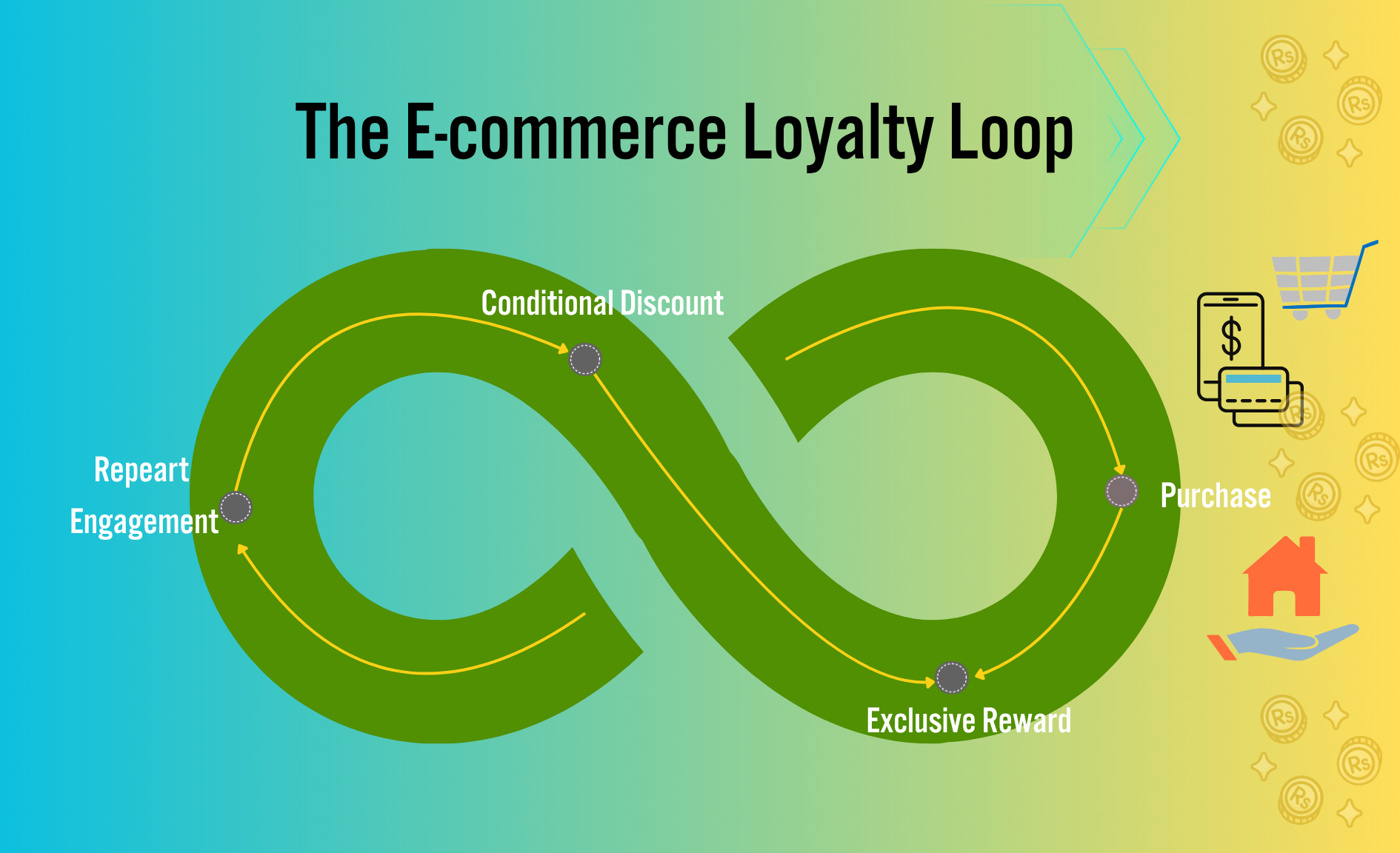
Digital banks, marketplaces, and wallet ecosystems are using conditional discounts, instalment logic, and closed-loop credit products to influence which rail the user selects at the moment of purchase. The battle is not simply "card versus Pix." It is a battle over which institution owns the next transaction, the next repayment cycle, and the next reason for the user to return.
The Nubank and Shopee playbook
Nubank's 11.11 partnership with Shopee is a useful example of how specific these loops are becoming.
For that campaign, customers paying with a Nubank credit card on Shopee received a 50% discount, capped at R$20 per CPF, with the coupon applied at checkout. The partnership also included gamified incentives: vouchers, Shopee Coins, free-shipping rewards, and Prize Wheel mechanics.
The important point is not the size of the discount. It is the routing condition.
The benefit is unlocked only when the customer pays through Nubank's card rail. That turns a retail promotion into a payment-selection mechanism. Shopee gets a sharper campaign offer. Nubank gets top-of-wallet behaviour at a high-intent checkout moment. The user sees the discount, not the rail strategy underneath it.
This is the shift global merchants need to understand. In Brazil, the checkout incentive is increasingly specific to a bank, card, wallet, marketplace, or credit relationship. "Accepting cards" is too generic a category to explain what is happening.
The Mercado Livre counter-architecture
Mercado Livre approaches the same problem from the marketplace side.
Through Mercado Pago's Linha de Crédito, users can buy on Mercado Livre and pay in fixed monthly instalments without needing an external credit card. The number of instalments depends on product value, user eligibility, and available credit limit, but the strategic direction is clear: the marketplace is not merely accepting a credit product. It is operating one inside its own ecosystem.
That creates a different kind of loyalty loop.
Instead of competing for top-of-wallet card selection, Mercado Livre can route users into a credit line that sits inside the Mercado Pago environment. The purchase, financing decision, repayment schedule, and future credit relationship all stay closer to the marketplace.
For traditional issuers, that is the real counter-offensive. A marketplace with its own credit line does not need to win the user's external card preference every time. It can make the external card less relevant at the moment of purchase.
What this means for payment UX
The checkout screen is becoming a commercial negotiation between ecosystems.
For users, this appears as a simple choice: use this card, claim this coupon, split this purchase, activate this credit line. For platforms, each option changes who captures the payment relationship.
That creates three practical UX problems for global merchants operating in Brazil.
First, payment method ordering cannot be static. A generic list of cards, Pix, boleto, and wallet options misses the role of bank-specific incentives. The best order may change by campaign, issuer, customer segment, device, or marketplace partner.
Second, promotion eligibility has to be legible before the final payment step. If a Nubank-specific, Mercado Pago-specific, or issuer-funded discount only appears after the user has already chosen another rail, the merchant may be hiding the strongest conversion lever until it is too late.
Third, instalment UX is not just a financing detail. In Brazil, parcelamento is a core part of how consumers evaluate affordability. Whether the instalment plan comes from an external card, a marketplace credit line, or a wallet-linked product changes both conversion and loyalty.
What is still open
A few questions are worth watching before treating checkout loyalty loops as a settled pattern.
First, not every discount creates durable loyalty. A bank-funded coupon may win one transaction without changing the user's default payment behaviour. The useful metric is not only redemption rate, but whether the promotion changes repeat selection.
Second, marketplace-owned credit may not scale evenly across categories. Linha de Crédito is powerful when the marketplace controls discovery, checkout, and repayment. It may be less portable in categories where the customer relationship belongs more strongly to the merchant than to the platform.
Third, payment teams will need better attribution. If conversion rises during a bank-funded promotion, the question is not simply whether checkout improved. It is whether the rail incentive, the discount amount, the instalment offer, or the trust surface changed the user's decision.
The bottom line
Brazilian checkout is no longer only a payment acceptance layer. It is a loyalty-routing layer.
Pix changed what merchants had to support. Bank and marketplace credit loops are changing what merchants have to surface, sequence, and measure.
For platforms expanding into Brazil, simple card authorisation is no longer enough. The real work is understanding which payment relationship the checkout screen is sending the user into, and whether that relationship belongs to the merchant, the bank, the wallet, or the marketplace.
References and Sources
- Abecs (2026). Pagamentos com cartões atingem a marca de R$4,5 trilhões em 2025, crescimento de 10,1%. panoramaabecs.com.br — Source for Brazil's 2025 card-processing volume, credit-card volume, annual growth, online payments, recurring payments, and instalment-payment share.
- Money Report / Abecs (2026). A modalidade de pagamento que cresceu mais de 1.000% em dois anos. moneyreport.com.br — Source for Q1 2026 card-payment volume, recurring card-payment growth, and digital/remote-payment context.
- Nubank (2025). Nubank and Shopee announce partnership with exclusive discounts on 11.11. international.nubank.com.br — Source for the Shopee/Nubank 11.11 promotion, including the 50% discount capped at R$20, Nubank-credit-card condition, voucher mechanics, Shopee Coins, and Prize Wheel rewards.
- Mercado Livre (2026). Linha de Crédito. mercadolivre.com.br — Source for Mercado Pago Linha de Crédito terms, including payment in up to 24 instalments for selected Mercado Livre items using Mercado Pago credit line.
- Mercado Pago (2026). Empréstimos: comprar online em parcelas sem cartão. mercadopago.com.br — Source for the consumer-facing explanation of buying online in instalments without a credit card through Mercado Pago's credit line.